
Cuyamaca Rancho State Park
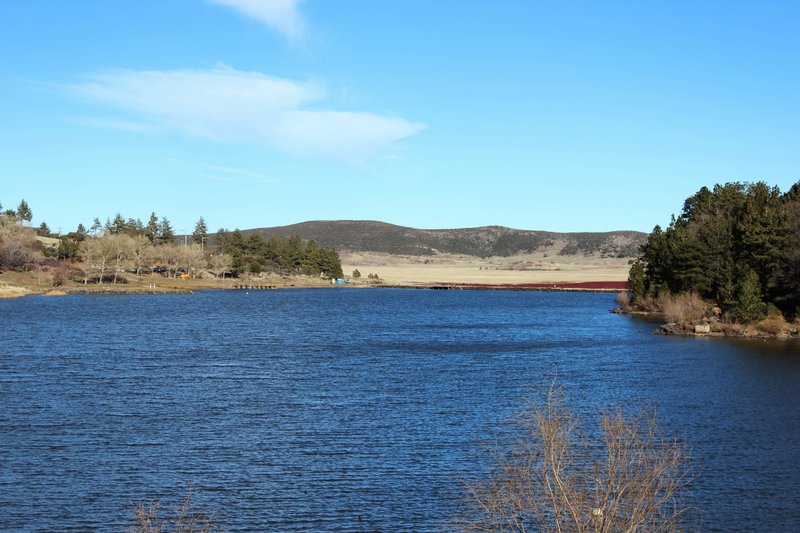
Cuyamaca Rancho State Park offers over 24,000 acres of oak woodland, pine forest, and meadows in the mountains east of San Diego. Visitors enjoy scenic vistas, diverse wildlife, and year-round outdoor recreation, including hiking, camping, and horseback riding amid historic and natural beauty.
10
Visiting with Dogs
Dogs allowed in campgrounds, paved areas; not on trails. Leash required. Owners must clean up after pets.
Visitor Tips & Reviews
What Visitors Say
Visitors love Cuyamaca Rancho for its scenic trails, peaceful campgrounds, abundant wildlife, and year-round outdoor activities amid beautiful forests and meadows.
Tips from Visitors
- Check weather; temperatures vary greatly.
- Bring plenty of water.
- Watch for poison oak.
- Leashed dogs only on campgrounds and paved roads.
- Pack out all trash.
- Cell service is limited.
Amenities
Nearby Attractions
Explore these attractions near Cuyamaca Rancho State Park:
- Lake CuyamacaA scenic reservoir offering fishing, boating, and lakeside picnicking with mountain views.2 miles away
- Julian Historic DistrictA charming mountain town known for its apple pies, gold rush history, and unique shops.7 miles away
- Anza-Borrego Desert State ParkCalifornia’s largest state park, featuring desert landscapes, wildflowers, and stargazing opportunities.30 miles away
Things to Do at Cuyamaca Rancho State Park
Hiking Trails
Cuyamaca Rancho State Park offers diverse day hiking experiences through oak woodlands, pine forests, and scenic meadows. Popular trails like Stonewall Peak and Cuyamaca Peak reward hikers with panoramic views. Wildlife sightings are common, and seasonal wildflowers add color. Trails range from easy to challenging, making the park suitable for all skill levels. Visitors appreciate the peaceful atmosphere and well-marked paths.
Stonewall Peak Trail
ModerateScenic trail leading to panoramic views from Stonewall Peak summit.
Cuyamaca Peak via Lookout Road
ChallengingA rewarding climb to the second highest peak in San Diego County with sweeping vistas.
Azalea Glen Loop Trail
ModerateLoop trail through oak woodlands, meadows, and conifer forests.
Green Valley Falls Trail
EasyShort trail to picturesque waterfalls and swimming holes.
Directions
From San Diego, take I-8 east to Highway 79 north. Follow Highway 79 for 12 miles to the park entrance.
Contact & Info
Frequently Asked Questions
What are the most popular hiking trails in Cuyamaca Rancho State Park?
Popular trails include Stonewall Peak, Cuyamaca Peak, and the Azalea Glen Loop. These trails offer scenic views, varying difficulty levels, and opportunities to see wildlife and wildflowers.
Can I camp overnight at Cuyamaca Rancho State Park?
Yes, the park offers both developed campgrounds (Paso Picacho and Green Valley) and primitive hike-in sites. Reservations are recommended, especially during peak seasons.
Are dogs allowed in Cuyamaca Rancho State Park?
Dogs are allowed in campgrounds, picnic areas, and on paved roads, but not on most trails. Always keep dogs on a leash and clean up after them.
What wildlife might I see in the park?
Visitors often spot deer, wild turkeys, coyotes, and a variety of birds. Mountain lions and rattlesnakes also inhabit the area, so stay alert and follow safety guidelines.
Is there cell phone reception in the park?
Cell phone reception is limited or nonexistent in most areas of the park. Plan ahead and download maps or information before arriving.
What is the best time of year to visit Cuyamaca Rancho State Park?
Spring and fall are ideal for mild weather and wildflower blooms. Summers can be hot, while winters may bring snow to higher elevations.